You Cannot Identify Asbestos by Looking at It
Asbestos fibers are microscopic — invisible to the naked eye — and asbestos-containing materials look identical to non-asbestos versions of the same product. The only reliable way to confirm or rule out asbestos is a bulk sample analyzed by an NVLAP-accredited laboratory. Visual inspection alone can never give a definitive answer.
If your home was built before 1980, suspect materials are present until testing says otherwise. Pennsylvania requires that any asbestos inspection or abatement work be performed by contractors certified by the PA Department of Environmental Protection.
Where Asbestos Is Commonly Found in Pre-1980 Homes
The following materials have a high probability of containing asbestos in homes built before 1980. None can be confirmed without laboratory analysis. Sources: EPA / OSHA.
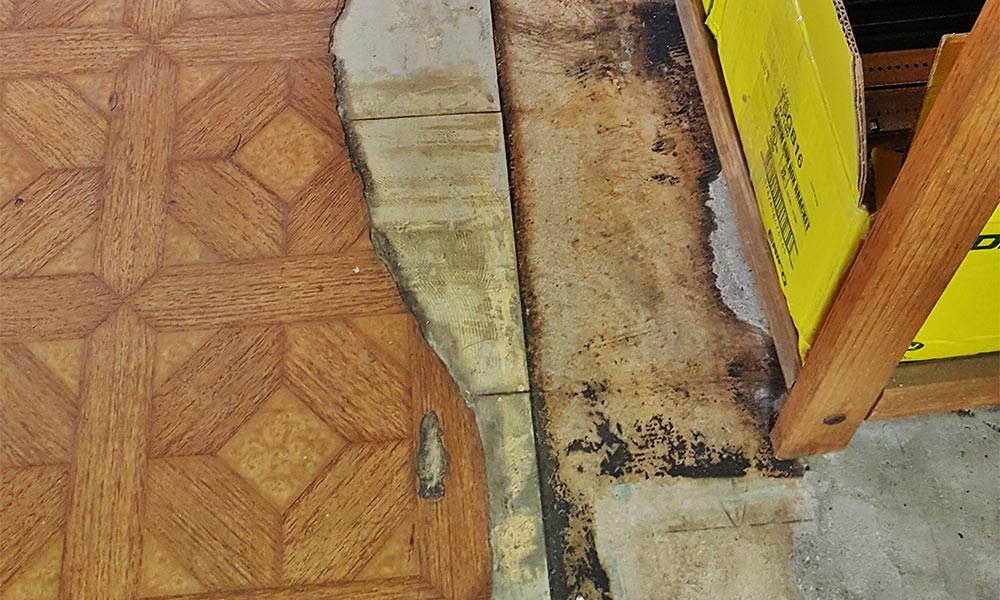
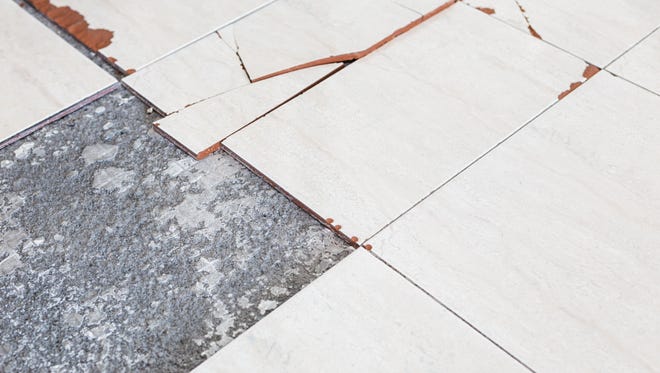
The most common ACM in older Delaware County homes. The black mastic adhesive beneath the tiles also frequently contains asbestos.
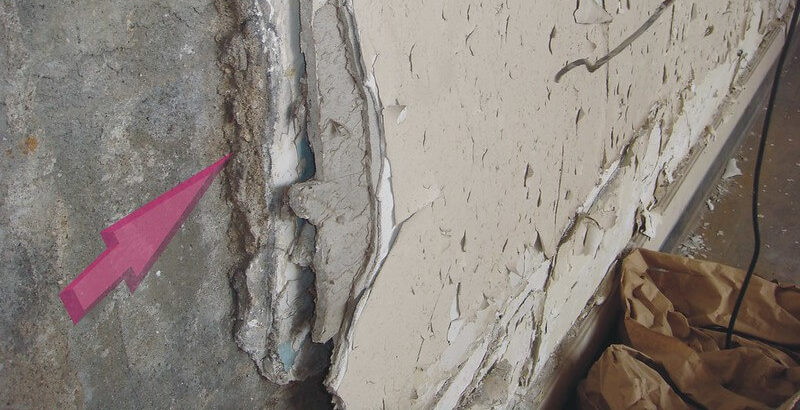
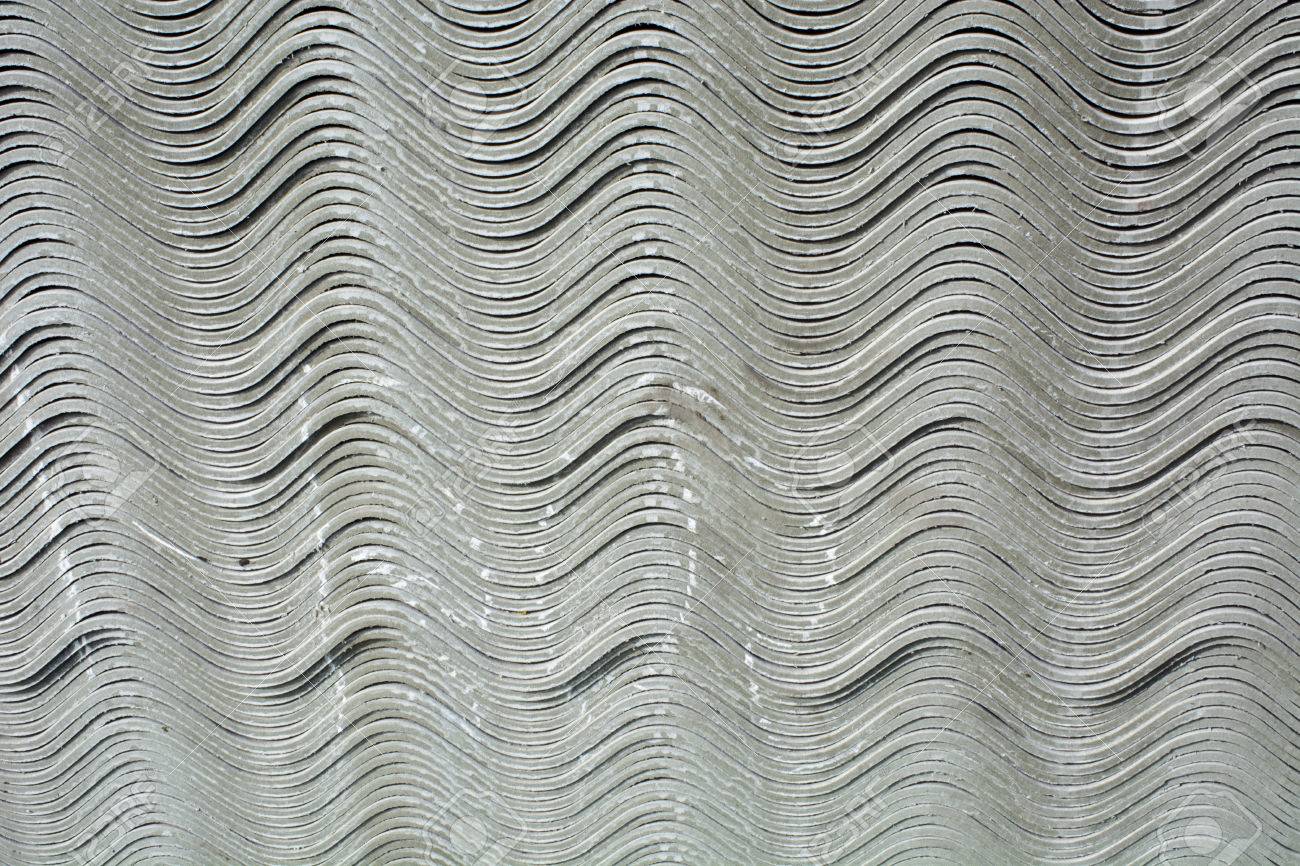
Gray corrugated wrap ("elephant hide") on steam pipes and boilers. Also appears as a white chalky coating or plaster-like material.
Spray-applied acoustic ceilings installed before 1977 frequently contain asbestos. Do not disturb before testing.
Silvery-gray pebble-like granules sold as "Zonolite." Most vermiculite insulation sold in the US before 1990 came from a Libby, Montana mine contaminated with asbestos.
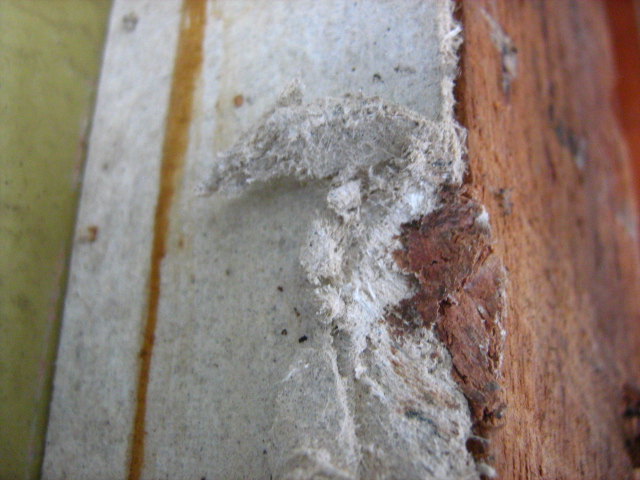
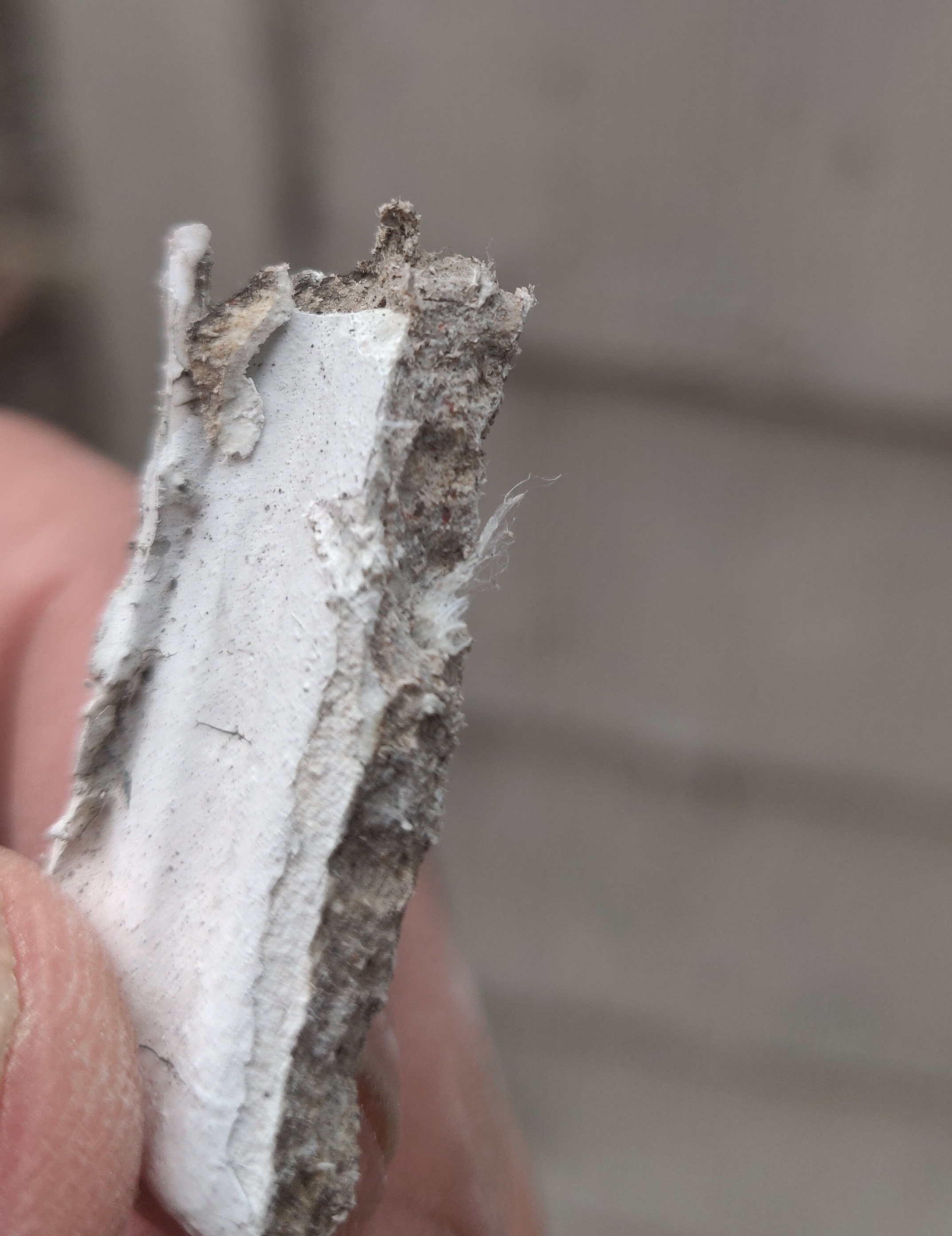
Widely used until EPA and CPSC restricted asbestos-containing patching compounds in 1977. Common in walls and ceilings of homes from that era.
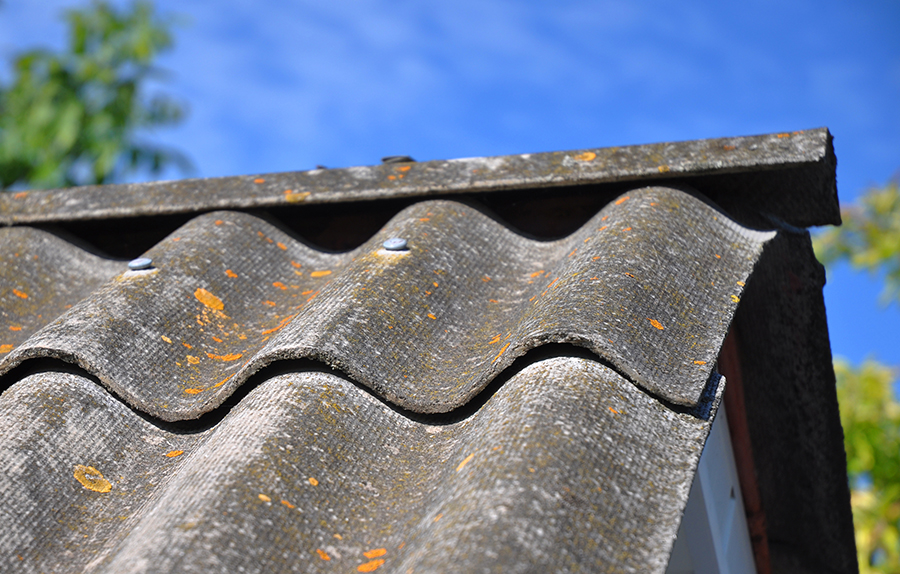
Flat fiber-cement panels used for exterior siding and roofing. Appears similar to modern cement board but may contain up to 15% asbestos by weight.
Upload Photos for a Free Expert Evaluation
Not sure what you're looking at? Send us one or two photos and a licensed ACI-TECH inspector will review them and respond within one business day — at no cost.
This is not a substitute for lab testing, but it helps you understand whether professional inspection is warranted before spending money on a full assessment.
You can also call us directly at (610) 497-7162 to describe what you found. We're available Mon–Sun, 7 AM – 7 PM.
Common Questions About Identifying Asbestos
Direct answers to the questions homeowners in Chester, Delaware County, and Philadelphia ask most often.
Can you identify asbestos just by looking at it?
No — asbestos fibers are microscopic and cannot be seen with the naked eye. Asbestos-containing materials look identical to non-asbestos versions of the same product. A bulk sample analyzed by an accredited laboratory is the only way to confirm or rule out asbestos.
What year did builders stop using asbestos in homes?
The EPA banned spray-applied asbestos in 1973 and restricted asbestos in patching compounds and textured paints by 1977. Most residential construction products were phased out by the early 1980s. Homes built before 1980 should be presumed to contain asbestos-containing materials until testing says otherwise.
Source: EPA asbestos ban and phase-out
Where is asbestos most commonly found in a house?
In pre-1980 homes the most common locations are: 9×9 inch vinyl floor tiles and their black mastic adhesive, pipe and duct insulation (the gray corrugated "elephant hide" wrap), popcorn and textured ceilings, attic insulation made from vermiculite (sold as Zonolite before 1990), joint compound and drywall tape, roof shingles, flat-panel transite siding, and boiler or furnace insulation.
Is it safe to live in a house that has asbestos?
Yes, if the asbestos-containing materials are in good condition and will not be disturbed. Intact, undisturbed asbestos does not release fibers. The risk arises when materials are cut, drilled, sanded, or otherwise damaged. Any renovation project in a pre-1980 home should be preceded by testing before work begins.
How do I know if my popcorn ceiling has asbestos?
You cannot tell by looking. Spray-applied acoustic (popcorn) ceilings installed before 1977 have a high probability of containing asbestos because the EPA did not restrict spray-applied asbestos materials until that year. The only way to confirm is a bulk sample test by a licensed inspector. Do not scrape, sand, or disturb the ceiling before testing.
Can I test for asbestos myself?
DIY test kits exist, but the EPA recommends having an accredited inspector collect samples because improper sampling can release fibers into the air. Any sample — regardless of who collects it — must be sent to an NVLAP-accredited laboratory for analysis. In Pennsylvania, asbestos abatement and inspection must be performed by contractors certified by the PA Department of Environmental Protection.
What does asbestos pipe insulation look like?
Asbestos pipe insulation typically appears as a gray or off-white corrugated wrap — sometimes called "elephant hide" — that encases steam and hot-water pipes in older homes. It may also appear as a chalky or plaster-like coating. Color and texture vary; none of these visual clues can confirm asbestos without a lab test.
What are the health risks of asbestos exposure?
Inhaling asbestos fibers causes four diseases: lung cancer, mesothelioma (a cancer of the lining of the lungs and abdomen), asbestosis (scarring of the lung tissue), and pleural disease. All have latency periods of 10–40 years. The CDC and ATSDR state there is no established safe level of asbestos exposure.
Why ACI-TECH for Asbestos Inspection and Removal?
ACI-TECH, INC. has been inspecting and remediating hazardous materials in Chester, PA and the Delaware Valley since 1995. Jack Helms holds Pennsylvania asbestos contractor and lead contractor certifications and is personally accredited through the EPA's RRP Lead-Safe program. We provide free estimates and written assessments before any work begins.
Asbestos Inspection & Testing
A licensed PA DEP-certified inspector collects bulk samples from suspect materials, submits them to an accredited laboratory, and provides a written report identifying the location, condition, and fiber type of any asbestos found. This report is required before permitted renovation or demolition work in Pennsylvania. Learn about our asbestos testing service →
Asbestos Removal & Abatement
When asbestos must be removed — due to planned renovation, damage, or deterioration — PA DEP regulations require a certified contractor. ACI-TECH follows full containment, air-monitoring, and disposal protocols under both PA DEP and OSHA 29 CFR 1926.1101 standards. Learn about our removal service →
Lead Paint Inspection & Remediation
Lead paint was banned for residential use in 1978 but remains in an estimated 29 million homes nationwide (HUD). ACI-TECH is a Pennsylvania-certified lead contractor and EPA RRP-certified firm. Learn about our lead remediation service →
Mold Remediation
Mold growth in pre-1980 homes is often discovered alongside asbestos or lead hazards during renovation work. ACI-TECH handles mold assessment and remediation as part of a comprehensive hazardous materials service. Learn about our mold remediation service →
Not sure what you're looking at? Get a free evaluation from a licensed PA inspector.
(610) 497-7162 or email help@aci-tech.net