PA-Licensed · Free Estimates Available
Asbestos Remediation in Delaware County & Philadelphia, PA
Asbestos remediation covers the full process from inspection through abatement to clearance testing. ACI-TECH, INC. manages every phase for homes and commercial properties in Chester, Delaware County, and Philadelphia — licensed under PA L&I Acts 194 and 161.
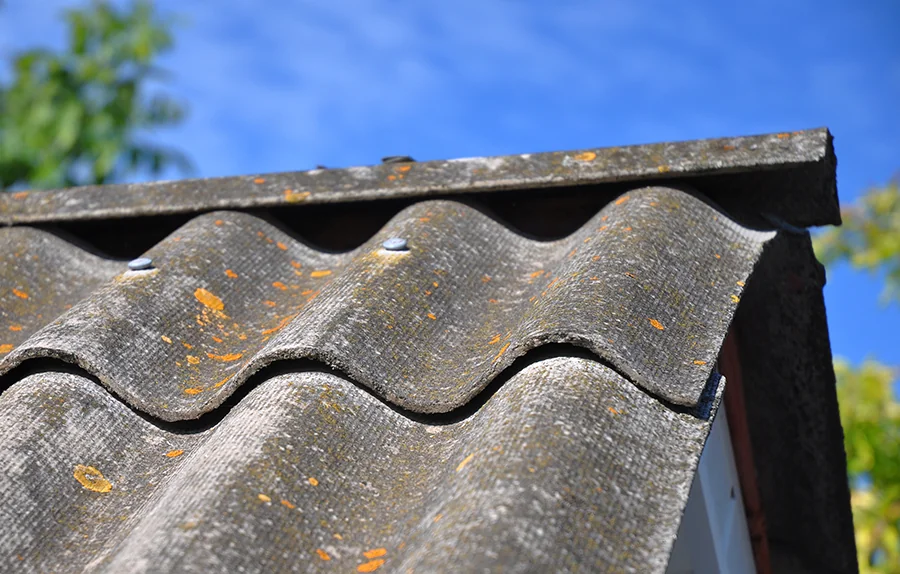
Recent work
Work we've done — asbestos remediation
Scope of work
What does asbestos remediation cover?
- Initial inspection and ACM identification
- Negative-pressure containment setup
- Licensed abatement (removal) of all ACMs
- Encapsulation or enclosure where appropriate
- HEPA decontamination of all affected surfaces
- PA DEP NESHAP and PA L&I notification filing
- Independent air clearance testing
- Project completion documentation
Our process
How does it work?
- Inspect A PA-certified inspector identifies all ACMs — type, location, condition, and total quantity.
- Plan and notify Scope the work, file required PA DEP and PA L&I notifications, and set the project schedule.
- Contain Seal the work area with plastic sheeting and create negative pressure using HEPA exhaust fans.
- Remove and decontaminate Wet removal throughout; HEPA decontamination of every surface in the containment zone after material is out.
- Air clearance An independent hygienist tests the space; occupancy is not permitted until samples pass clearance thresholds.
Decision guide
When is asbestos remediation required?
ACMs that are crumbling, damaged, or releasing fibers are an active health hazard. OSHA's asbestos exposure standards exist because inhaled asbestos fibers cause mesothelioma, asbestosis, and lung cancer — diseases with long latency periods and no cure. Deteriorated material in a basement, attic, or mechanical room requires remediation regardless of renovation plans.
Pennsylvania law requires that ACMs be identified and abated before any contractor work that will disturb them. PA L&I requires notification and certified contractor work for projects disturbing more than 3 linear or square feet of friable ACM — covering kitchens, bathrooms, and whole-building renovations in pre-1980 housing.
A formal remediation report with air clearance documentation is the standard evidence for buyers, sellers, lenders, and commercial property managers when ACMs are identified during due diligence. ACI-TECH's written reports satisfy buyer and lender requirements in Delaware County and Philadelphia transactions.
Regulatory requirements
Pennsylvania notification requirements
Pennsylvania regulates asbestos work under two parallel frameworks that apply to every project:
Both agencies may inspect active abatement sites. ACI-TECH operates in full compliance with both frameworks and files all required notifications as standard project management.
Cost guidance
What asbestos remediation costs
Full remediation cost depends on what phases are needed, the type and quantity of ACMs, their location, and accessibility. Inspection and testing varies with property size; abatement is driven by material type, quantity, and access — pipe insulation in a crawl space costs more per linear foot than open-basement floor tile. Regulated waste disposal scales with volume. PA DEP NESHAP notification fees apply to projects above federal thresholds. ACI-TECH provides free written estimates suitable for real estate negotiations, insurance claims, and contractor bid comparisons.
Get a free written estimate →Asbestos remediation is the complete process of identifying, containing, and permanently removing asbestos-containing materials (ACMs) from a building — from initial inspection through licensed abatement to independent air clearance testing. ACI-TECH, INC. is a PA-certified asbestos contractor based in Chester, PA, and handles the full remediation lifecycle for residential and commercial properties in Delaware County, Philadelphia, and the surrounding region.
The Full Remediation Lifecycle
Remediation is not a single task — it is a sequence of phases that must happen in order.
Phase 1 — Inspection and testing. A PA-certified asbestos inspector surveys the property, identifies all suspect materials, collects bulk samples, and sends them to an NVLAP-accredited laboratory for analysis. The result is a written inspection report identifying each confirmed ACM, its condition, and recommended action. No abatement work should begin without this document. See our asbestos testing and inspection services for details on this phase.
Phase 2 — Scope and notification. Once ACMs are confirmed, PA DEP NESHAP notification must be filed at least 10 working days before work begins on projects above federal thresholds. PA L&I notification is required for projects disturbing more than 3 linear or square feet of friable ACM. ACI-TECH files all required notifications as standard project management.
Phase 3 — Abatement. Licensed workers set up negative-pressure containment, remove ACMs using wet methods, and decontaminate the work zone with HEPA-rated equipment. All removed material is double-bagged, labeled, and transported to a PA DEP-permitted disposal facility. See our asbestos abatement page for the full abatement process.
Phase 4 — Air clearance testing. An independent industrial hygienist collects air samples from the work zone. The space is not released for occupancy until fiber counts fall below the clearance threshold. ACI-TECH coordinates the clearance test and provides the results as part of the project completion documentation.
Testing First vs. Proceeding Directly to Removal
Start with testing if you have suspect materials in a pre-1980 building and aren’t sure what they contain. Testing confirms whether ACMs are present and scopes the work correctly. Testing before renovation is also a legal requirement above the notification thresholds.
You may already know you need removal if a previous inspection confirmed ACMs and those materials are now deteriorating, or if renovation work will disturb confirmed ACMs. ACI-TECH can proceed directly to abatement scope and notification without repeating the inspection.
If you’re unsure which phase you’re in, call us. We’ll tell you exactly where you stand.
Where We Work
- Chester, PA — pre-1940 row home remediation, Sun Shipbuilding legacy
- Delaware County, PA — 49 municipalities served
- Collingdale, PA — 1890s–1950s row home steam pipe remediation
- Darby, PA — pre-war row homes and boiler conversion remediation
- Folcroft, PA — postwar floor tile, acoustic tile, and duct insulation remediation
- Lansdowne, PA — Victorian twin and party-wall remediation
- Ridley Park, PA — Victorian through postwar multi-era remediation
- Sharon Hill, PA — 1935–1955 peak-era pipe insulation and floor tile remediation
- Upper Darby, PA — ordinance-driven asbestos and lead remediation
- Wayne, PA — Chesterbrook borderline-era and pre-war Main Line remediation
- Philadelphia, PA — Philadelphia L&I Asbestos Inspection Reports
- Montgomery County, PA — industrial borough and Main Line homes
- Chester County, PA — Victorian boroughs and rural farmhouse conversions
Where we work
Areas near you
Common questions
Asbestos Remediation — Frequently Asked Questions
What health risks make asbestos remediation necessary?
Inhaled asbestos fibers cause mesothelioma, asbestosis, and lung cancer — diseases with long latency periods (often 20–50 years) and no cure. OSHA sets enforceable exposure limits because no exposure level has been established as safe. Deteriorating asbestos-containing materials release fibers without being disturbed. These health risks are the reason Pennsylvania requires certified contractors and advance agency notification for abatement work above regulatory thresholds.
Where is asbestos most commonly found in Delaware Valley homes?
In Chester, Delaware County, and Philadelphia — where most housing predates 1960 — the most frequently confirmed locations are steam pipe and boiler insulation, 9×9 vinyl floor tiles and black mastic adhesive, spray-applied popcorn ceiling texture, joint compound in plaster and drywall, and vermiculite attic insulation. Homes with original coal or steam heat systems almost universally have pipe insulation that tests positive for asbestos.
Is asbestos remediation required before selling a house in Pennsylvania?
Pennsylvania does not require sellers to remediate asbestos before listing a property, but sellers must disclose known material defects. Buyers, lenders, and commercial property managers routinely require documented remediation of confirmed ACMs before closing. A formal remediation report with independent air clearance documentation is the standard evidence that satisfies buyer and lender requirements in Delaware County and Philadelphia transactions.
Can I get a rough cost estimate before an on-site visit?
General cost ranges vary too widely without seeing the material, quantity, and location — a phone quote is not reliable for asbestos work. The variables that most affect price (material type, access difficulty, quantity, project tier for PA DEP notification) can only be assessed on-site. ACI-TECH provides free written on-site estimates. Estimates are suitable for real estate negotiations, insurance claims, and contractor comparisons.
What's the difference between friable and non-friable asbestos, and does it affect remediation cost?
Friable asbestos can be crumbled by hand pressure and releases fibers readily — it requires more rigorous containment and the highest level of worker protection. Non-friable asbestos is bound in a solid matrix (floor tile, transite siding) and poses lower risk when undisturbed, though removal still requires certified contractors and proper disposal. Friable material typically costs more to remediate due to increased containment requirements and more complex HEPA decontamination.
Ready to get started? Free estimates, no obligation.
PA DEP licensed · EPA RRP certified · Serving Chester, Delaware County & Philadelphia