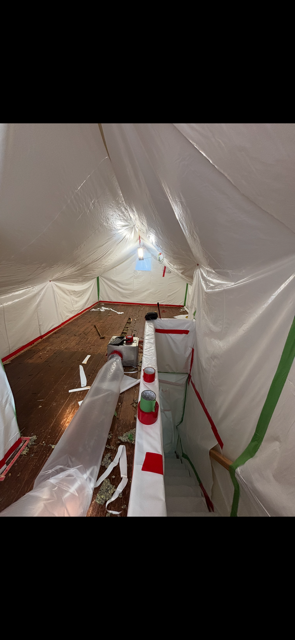
In pre-1978 homes in Delaware County and the Philadelphia area, the most significant source of lead exposure is lead-contaminated household dust — not paint on the wall, but the fine dust generated when lead paint deteriorates, is disturbed, or is abraded through normal friction. The CDC has established that there is no safe blood lead level in children; the agency’s current reference value for elevated blood lead is 3.5 micrograms per deciliter, a level that triggers public health action.
If you live in a pre-1978 home, particularly one in the Philadelphia area where housing stock from the 1940s and 1950s is common, here are practical steps to reduce lead exposure while you assess whether professional remediation is needed.
Control Dust from Friction Surfaces
Lead paint on high-friction and high-impact surfaces generates lead dust continuously through normal use. The most common sources in an older home:
- Window sashes: The channel where the sash slides against the frame abrades the paint on both surfaces every time a window is opened or closed. This is one of the most reliably documented sources of lead dust in older homes.
- Door edges and door frames: Paint on door edges and the frame sides they contact generates dust with every use.
- Stairs and handrails: Impact and friction surfaces on older wooden staircases.
- Floors: In homes where floors were painted, foot traffic generates dust.
The EPA’s residential lead hazard standards specifically identify these friction and impact surfaces as regulated lead hazards. Interim controls for friction surfaces include paint stabilization (repairing peeling and loose paint) and, in some cases, replacement of the friction surface itself.
Until repairs are made, reducing the frequency with which these surfaces contact each other helps. For windows, using window stops to limit travel reduces dust generation; for doors, adjusting the fit to reduce scraping is a practical short-term step.
Cleaning Practices That Reduce Exposure
Household cleaning practices significantly affect lead dust levels in a home. The EPA and the CDC recommend specific approaches in homes with known lead paint:
- Wet cleaning over dry sweeping or dusting: Dry sweeping and dry dusting resuspend lead dust into the air where it can be inhaled. Wet mopping and wet wiping with phosphate-containing cleaning solutions captures and removes lead dust from surfaces.
- Dedicated cleaning equipment: In a home with confirmed lead hazards, use separate mops and cleaning cloths for different surfaces, and launder them separately. A mop used on a lead-contaminated floor can spread contamination to other surfaces.
- Focus on floors, window sills, and entry points: These are the surfaces where lead dust accumulates and where children have the most contact. Frequent damp cleaning of floor surfaces — particularly near windows and doors — measurably reduces lead dust levels in homes where this has been studied.
- Hand washing before eating and at bedtime: Children’s hand-to-mouth behavior is the primary pathway for lead ingestion from household dust. Consistent hand washing before meals and at bedtime reduces ingested lead significantly.
Do Not Sand, Scrape, or Use Heat Guns on Lead-Painted Surfaces
Sanding or dry-scraping lead paint generates large quantities of lead dust that can contaminate an entire home and take months to remediate. This is the single most important point for homeowners to understand: removing lead paint incorrectly is far more dangerous than leaving it in place.
The EPA’s Renovation, Repair and Painting (RRP) Rule was enacted precisely because poorly controlled paint removal in pre-1978 homes is a leading cause of childhood lead poisoning from renovation activities. Any contractor performing work that disturbs 6 or more square feet of painted interior surface (or 20 or more exterior) in a pre-1978 home must be an EPA-certified Lead-Safe Certified Firm.
For homeowners considering any renovation in a pre-1978 home — from a simple painting project to a bathroom remodel — the right first step is a lead paint inspection or lead risk assessment before work begins.
When to Call for Professional Assessment
The interim controls above reduce exposure but do not eliminate it. They are appropriate while you are planning and arranging for professional work, but they are not a permanent solution.
Professional lead risk assessment or lead paint inspection is the appropriate next step when:
- Your home was built before 1978 and you have a child under 6 or a pregnant household member
- You’ve seen peeling, flaking, or deteriorating paint anywhere in the home, including exterior surfaces
- A child in the home has had blood lead testing that returned elevated results
- You are planning renovation work of any kind
- You are buying or selling a pre-1978 home (federal law requires disclosure of known lead hazards)
Under Pennsylvania law, properties receiving certain types of state or federal housing assistance in pre-1978 housing are required to meet lead hazard control requirements. The Philadelphia Health Department also has lead hazard regulations that apply to rental properties in the city.
ACI-TECH, INC. provides lead paint inspection and remediation services for homes in Chester, Delaware County, and the Philadelphia area. Call (610) 497-7162 for a free estimate.